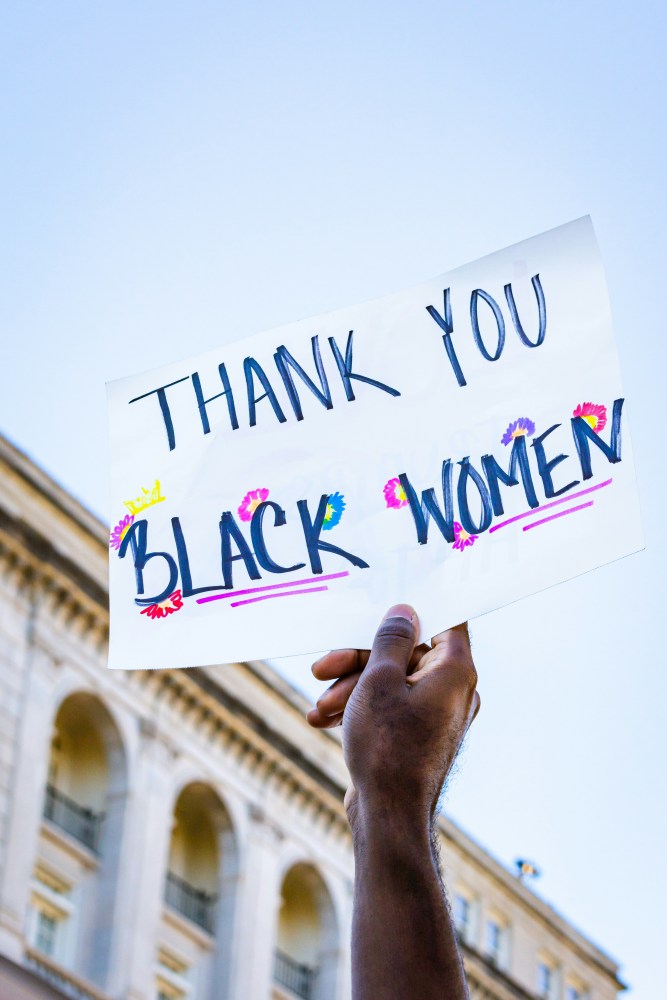
Pauli Murray’s famous phrase, “confrontation by typewriter,” is the mantra in my mind after reading Erica Green’s New York Times article on the disproportionate impact of federal workforce cuts on Black women, particularly educators. Green reports, “While tens of thousands of employees have lost their jobs in Trump’s slash-and-burn approach to shrinking the federal work force, experts say cuts disproportionately affect Black employees—and Black women in particular.”
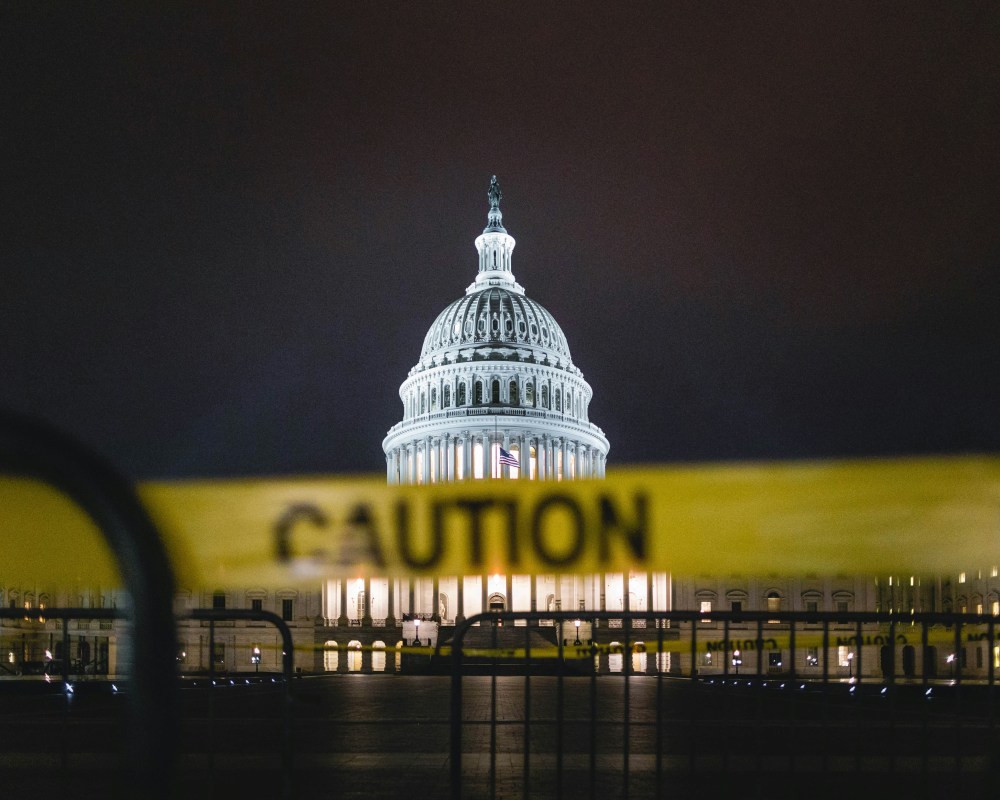
The federal government should be much more than a watchdog for efficiency. Reformed ideas played a key role in defining modern concepts of democracy. John Calvin’s experience of living as a refugee and exile informed his arguments for civil government to provide a framework for all people to flourish and to commit to the common good. Since the passage of the Civil Rights Act of 1964, the U.S. federal government has been one of the major institutions in the U.S. to practice and enforce affirmative action, enabling many Black U.S. Americans to work their way into the middle class.
However, recent labor statistics show that “Black women lost 319,000 jobs in the public and private sectors between February and July of this year”—the only female demographic to experience job losses. Jobs increased for White women by 142,000, and Hispanic women by 176,000. Which group experienced the most significant increase? White men. Jobs for white men increased by 365,000 during this same period. (See Green.)

Statistics like this assault my conscience, but “Pow!” the gut punch comes from stories about Black women being “purged” from the Department of Education. Denise Joseph worked in the Office of Post-secondary Education. She says, “My work is an extension of who I am, and it was all wiped out in one day.”
A note of gratitude for Freepik and the artist who created the image you see here.
Did you know? Women head 25 percent of all Black households without a spouse. These women are the “breadwinners.” Unmarried families are at a significant economic disadvantage and experience lower levels of household income, home ownership, and health insurance coverage. Economic hardship increases vulnerabilities and directly impacts Black children, the next generation of leaders.
I have been an educator for more than twenty years. Gender and leadership in the church and society are central to my existence, research, writing, and teaching. In the United States and around the world, female teachers serve as role models and mentors for younger women. On all levels of education from pre-K to graduate school, women educators challenge harmful stereotypes and equity issues for girls as they mature into their own leadership. Women play pivotal roles in educational innovation, which is foundational to the well-being of our society.
Teaching is also very challenging and often unrewarded work. You may not be aware that gender inequality is prevalent in academia. A recent study entitled The No Club: Putting a Stop to Women’s Dead-End Work by Linda Babcock, Brenda Peyser, Lise Besterlund, and Laurie Weingart shows that women are more frequently required to do “unrewarded and non-promotable work” due to sex role socialization. Men and women alike expect women “to take a hit for the team.” This means that over the course of their careers in education, women will face discriminatory hiring assumptions, have to make many more sacrifices to their own advancement than their male counterparts, and be likely to hit the “glass ceiling” when being considered for top leadership roles.
Where would we be without the leadership of women educators, particularly those Black women in the Department of Education, who work tirelessly for a good quality education for all people? Supporting public education is central to the mission of mainline denominations, including the PC(USA).
Educators and religious leaders taught me how to deal with bullies on the political playground. We need to do more than tell stories. Progressive religious leaders and educators also need to speak faithfully out of the depths of our traditions, and we have something to say.
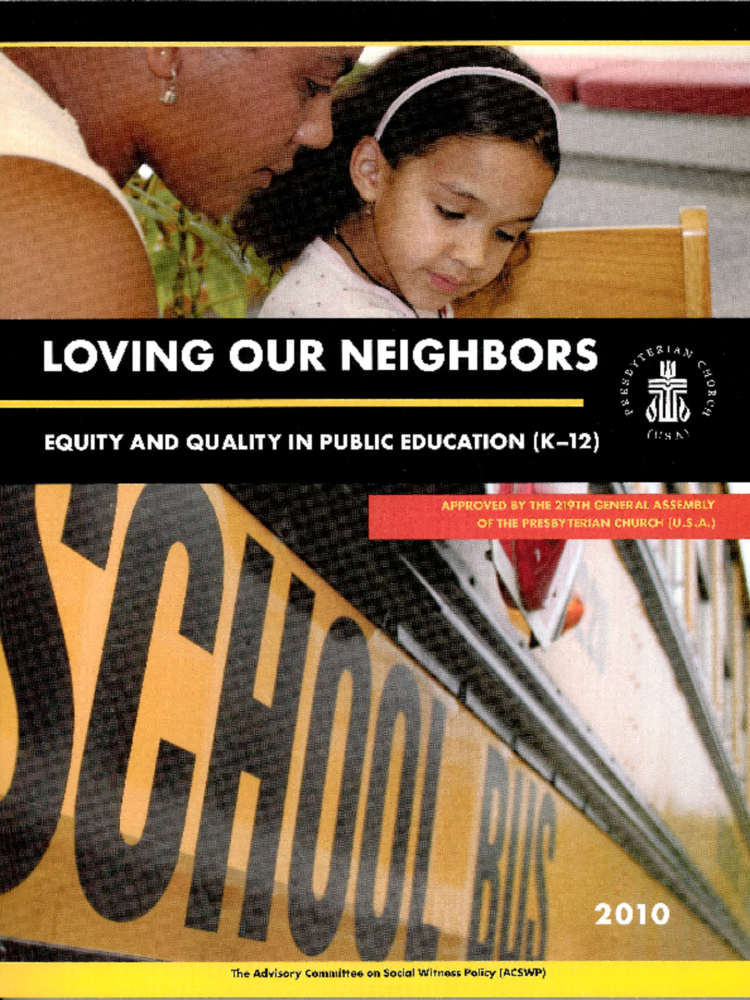
Presbyterian social witness policy “affirms that justice requires all social institutions in our society, whether private or public, to honor the right of all persons, including public school educators, to organize to participate actively in decision-making that affects them.” Additionally, we call for and supports “the enactment of legislation that addresses the documented opportunity gaps in education” and maintains an “increasingly pluralistic and multicultural” approach.
I can’t take credit for the title of my blog today. A former colleague of mine innovatively proposed “Imago D.E.I.” as a way for theologians to offer a clear commentary on the political assault on education and D.E.I. initiatives. I won’t name that colleague here due to possible repercussions they might experience.
Another tangible response is to help support fired federal employees. The Federal Worker Solidarity Fund is an option. You can find it here.
What are some other tangible ways for us to respond?