Disrupting the Dominant Culture by Cultivating an Alternative Consciousness
What do you think are the most essential values in the dominant culture of the U.S.? How do the values of the dominant culture shape your church culture? How do you envision transforming them to create communities where everyone shares a sense of belonging?
Often, leaders assume that cultural shifts are created by legislation and policies. Disability theologian John Swinton writes, “The law can legislate inclusion, but it cannot help people belong” (Swinton “From Inclusion to Belonging: A Practical Theology of Community, Disability and Humanness,” Journal of Religion, Disability & Health, 16:2, 182).
Religious leaders, as key figures in the struggle for freedom, have a unique role to play in disrupting the tendency in our society to dehumanize, de-personalize, and divide. By cultivating an alternative consciousness, they can lead their communities towards a deeper understanding of our interconnectedness. This is not just about advocating for particular public policies, but about fostering a consciousness that emerges from a profound mysticism and a sense of our interconnectedness.
Mysticism is a personal and palpable response to God’s ever-present Reality within the whole creation, an awareness that affects the total quality of all one’s relationships. Once this reality and the interdependence of all things become visible, the world is no longer simply a place to master resources to satisfy one’s own needs or maintain the power of a particular social group.
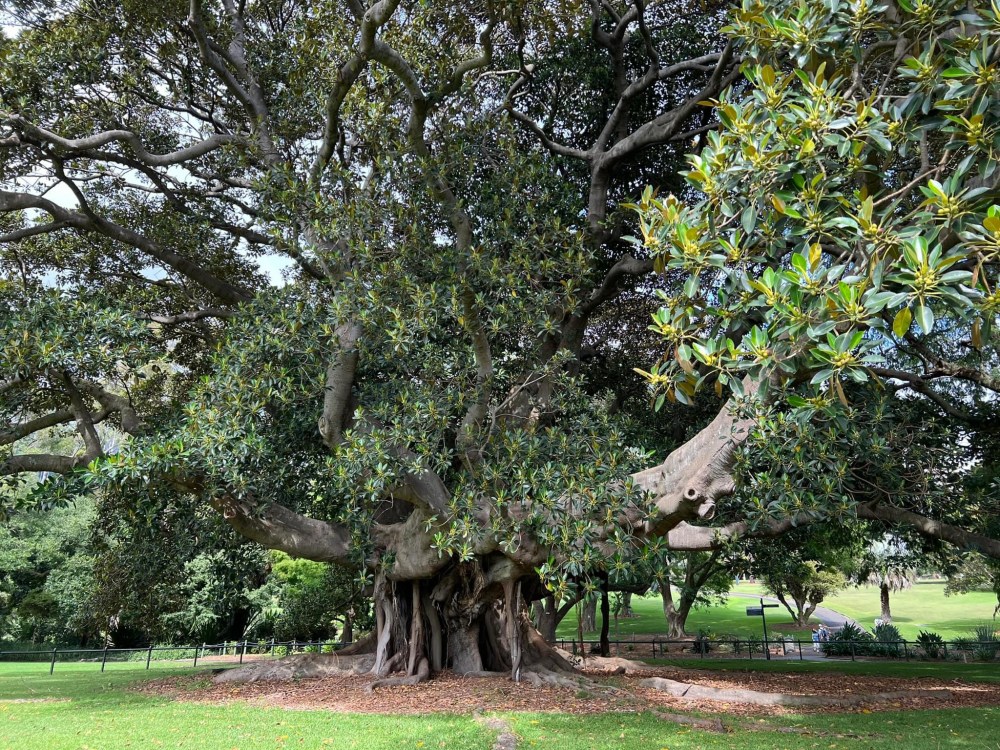
Poetry, storytelling, music, creating new rituals, and practices like pottery-making shape us in new ways and help us imagine life together differently. Do you remember the first time you heard one of Howard Thurman’s sermons and meditations? You can listen to sermons in Thurman’s voice on Emory’s digital archives. When preaching and speaking, Thurman pursued common ground and embraced silence. He also used vivid imagery to speak to the turmoil of his time and to transform conflict and injustice into an imaginative vision of resilience, justice, and belonging. Just as “tiny rootlets” grow out to expand the radius of the tree in search of sustenance, Thurman reminds us to “look well to the growing edge.”
All around us worlds are dying and new worlds are being born; all around us life is dying and life is being born. The fruit ripens on the tree, the roots are silently at work in the darkness of the earth against a time when there shall be new lives, fresh blossoms, green fruit. Such is the growing edge! It is the extra breath from the exhausted lung, the one more thing to try when all else has failed, the upward reach of life when weariness closes in upon all endeavor. This is the basis of hope in moments of despair, the incentive to carry on when times are out of joint and (people) have lost their reason, the source of confidence when worlds crash and dreams whiten into ash. The birth of a child — life’s most dramatic answer to death — this is the growing edge incarnate. Look well to the growing edge!

Ethicist Christiana Peppard writes about how and why Pauli Murray used poetry as a medium to express her rage at systemic injustices. Through poetry, Murray “engaged democracy as a debate, not a set of rules.” You can listen to Murray read “Dark Testament” on the Harvard Radcliffe Institute website.
There have been times when we looked to individual charismatic leaders as our guides to both social transformation and upholding the values of the dominant culture. Not only are there some dangers in relying on the charismatic leadership of individuals, but don’t the signs of our times tell us that what we are missing most is groundedness in the reality of our interdependence with other people and the planet Earth? This is more than a political issue; it is a moral and spiritual problem.
How do you cultivate a sense of alternative awareness that disrupts our culture’s tendency to dehumanize, lord power over others, and become disinterested in community?


 Creating Cultural Shifts
1 comment ›